


- 20 Aug 2026
Prostate Cancer Treatment in India: Edgar’s Journey from Liberia to Recovery
A real patient case study from MedPal India
Treatment: Robot-Assisted Prostatectomy
Patient: Edgar, 70 years old
Country: Liberia
Treatment Location: India
Medical Case Disclaimer: This case study describes the treatment journey and outcome of an individual patient. It is intended for educational and informational purposes and does not guarantee similar results for other patients. Prostate cancer treatment must be planned individually by a qualified medical team after reviewing the patient’s diagnosis, cancer stage, overall health, test results, and other relevant clinical factors.
Introduction
A diagnosis of prostate cancer can be challenging for patients and their families, particularly when specialized treatment requires travelling to another country.
Edgar, a 70-year-old patient from Liberia, travelled to India for evaluation and treatment of prostate cancer. His case presented an additional clinical consideration: his prostate was reported to weigh more than 250 grams, making the size an important factor in his treatment planning.
After a thorough evaluation and further testing, Edgar was counselled regarding his treatment. He subsequently underwent robot-assisted prostatectomy.
According to the treatment information provided by his medical team, the procedure was completed successfully. No blood transfusion was required, and no complications were reported. Edgar was discharged in stable condition on the fifth day following surgery.
At approximately one month after surgery, he was reported to have fully recovered and was happy with his progress.
Edgar’s Case at a Glance
|
Patient Detail |
Information |
|
Patient |
Edgar |
|
Age |
70 years |
|
Country |
Liberia |
|
Diagnosis |
Prostate cancer |
|
Reported prostate size |
More than 250 grams |
|
Treatment |
Robot-assisted prostatectomy |
|
Blood transfusion |
Not required |
|
Reported complications |
None |
|
Hospital discharge |
Stable on Day 5 after surgery |
|
Reported recovery |
Fully recovered at approximately 1 month |
|
Reported outcome |
Free from cancer according to the treating team |
The Clinical Challenge: Prostate Cancer and a More Than 250-Gram Prostate
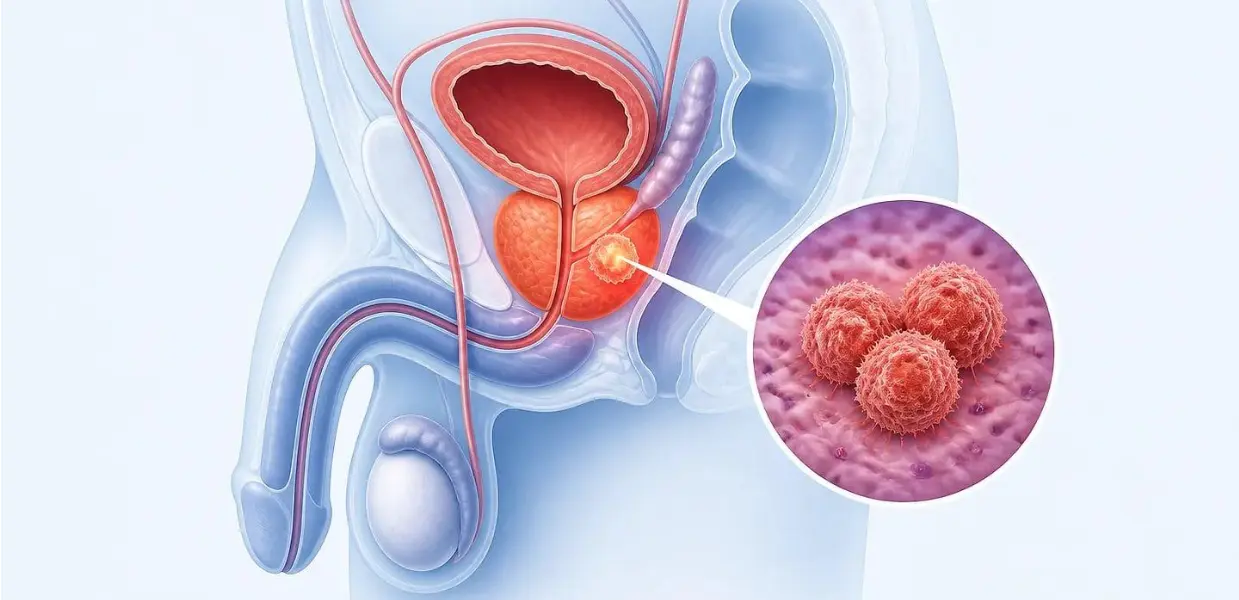
Edgar’s case involved two important considerations: his prostate cancer diagnosis and the reported size of his prostate, more than 250 grams.
The size of the prostate is only one part of a patient’s overall clinical picture. Treatment decisions for prostate cancer depend on multiple factors, including the characteristics and extent of the cancer, the patient’s general health, and the results of diagnostic evaluation.
Prostate cancer can be managed using different approaches depending on the individual case. These may include active surveillance, surgery, radiation therapy, hormone therapy, chemotherapy, targeted treatment, immunotherapy, or other approaches. The appropriate option depends on factors such as cancer stage and risk characteristics.
For Edgar, the medical team first focused on understanding his condition before proceeding with treatment.
Thorough Evaluation and Further Testing
Before surgery, Edgar underwent a thorough medical evaluation, followed by further tests.
This assessment was an important part of determining the appropriate treatment strategy for his individual case.
Diagnostic evaluation is central to prostate cancer management. Depending on the clinical situation, doctors may use the following tests to establish and characterize the diagnosis:
- PSA levels
- PET-CT scan
- USG-guided biopsy
- Imaging studies
- Prostate examination
- Other relevant investigations
The cancer’s grade and stage can influence treatment decisions.
In Edgar’s case, the available treatment information confirms that further evaluation and testing were performed before surgery.
He was also properly counselled regarding his condition and treatment plan before proceeding.
Treatment: Robot-Assisted Prostatectomy
Following evaluation and counselling, Edgar underwent robot-assisted prostatectomy.
A radical prostatectomy involves surgical removal of the prostate and surrounding structures as appropriate to the individual case. Robot-assisted laparoscopic surgery is one approach used by trained surgeons for selected patients. The suitability of surgery depends on the patient’s specific cancer characteristics and overall clinical situation.
For Edgar, the planned robotic procedure was successfully completed despite the reported prostate size of more than 250 grams.
According to the treatment information supplied by the medical team:
- No blood transfusion was required.
- No complications were reported.
- The surgery was completed successfully.
These details describe Edgar’s individual treatment experience and should not be interpreted as expected outcomes for every patient undergoing prostate cancer surgery.
Post-Surgery Recovery
Following surgery, Edgar remained under medical observation and postoperative care.
He was discharged in stable condition on the fifth day after surgery.
Recovery following prostatectomy varies between patients. Age, general health, cancer characteristics, the surgical approach, and individual healing can all influence recovery. Potential effects following prostate cancer surgery can include urinary leakage and erectile dysfunction, among other complications, although experiences differ between individuals.
For Edgar, the available case information reports a stable postoperative course without complications.
One-Month Follow-Up
Approximately one month after surgery, Edgar was reported to have fully recovered.
He was also reported to be free from cancer and happy with his recovery.
For medical accuracy, this outcome should be understood in the context of Edgar’s individual clinical follow-up. A patient’s cancer status after treatment should be assessed by the treating oncology/urology team using appropriate follow-up evaluations and investigations.
The case information provided for this story records Edgar’s reported recovery and cancer-free status at the stated follow-up point.
From Liberia to India for Prostate Cancer Care
For Edgar, receiving treatment involved travelling from Liberia to India.
International patients seeking cancer treatment may need support not only with medical coordination but also with appointments, hospital communication, travel planning, documentation, and post-treatment coordination.
MedPal India helps international patients connect with healthcare providers in India and assists them throughout their medical treatment journey.
The objective is to provide patients and their families with coordinated support while they explore appropriate medical care in India.
Why Individualized Evaluation Matters in Prostate Cancer
One of the most important lessons from Edgar’s case is that prostate cancer treatment cannot be determined by a single factor.
The presence of prostate cancer does not automatically mean that every patient needs surgery. Treatment options depend on the individual’s cancer characteristics and overall health. For localized prostate cancer, surgery is one of the established treatment options, while other patients may be candidates for surveillance, radiation therapy, or other treatments.
Similarly, the size of the prostate alone does not determine whether robotic prostatectomy is appropriate.
A qualified urologist or multidisciplinary cancer team should review the patient’s medical records and investigations before recommending treatment.
Key Takeaways from Edgar’s Case
Edgar’s treatment journey can be summarized in five stages:
1. International medical consultation
Edgar travelled from Liberia to India after being diagnosed with prostate cancer.
2. Detailed evaluation
His medical condition was thoroughly evaluated, with further testing performed.
3. Treatment counselling
He was counselled regarding his condition and treatment plan.
4. Robot-assisted prostatectomy
He underwent robot-assisted prostatectomy successfully.
5. Recovery and follow-up
He was discharged in stable condition on Day 5 and was reported to have fully recovered approximately one month after surgery.
Looking for Prostate Cancer Treatment in India?
If you or a family member has been diagnosed with prostate cancer and is considering treatment in India, obtaining an individualized medical opinion is an important first step.
MedPal India assists international patients in coordinating medical care in India and supports them throughout their treatment journey.
📞 Call / WhatsApp: +91 73033 90829
🌐 Website: medpalindia.com
Patients can share their available medical reports and previous investigations for evaluation and guidance regarding potential treatment options.
Frequently Asked Questions
Is prostate cancer treatable in India?
Yes. India offers multiple treatment options for prostate cancer, including surgery, radiation therapy, hormone therapy, and other treatments. The appropriate treatment depends on the patient’s cancer characteristics and overall health.
What is robot-assisted prostatectomy?
Robot-assisted prostatectomy is a minimally invasive surgical approach used by trained surgeons to remove the prostate in appropriate patients. The suitability of surgery depends on individual clinical factors.
Does every prostate cancer patient need surgery?
No. Treatment varies according to the cancer’s stage, grade, risk characteristics, overall health, and patient preferences. Options can include active surveillance, surgery, radiation therapy, and systemic treatments.
Can international patients from Africa receive prostate cancer treatment in India?
International patients can seek medical care in India, subject to appropriate medical evaluation and applicable travel and healthcare requirements. MedPal India assists international patients with coordinating their medical journey.
Medical Review & Editorial Transparency
Important Medical Disclaimer
This case study is based on information supplied for Edgar’s treatment story. It is not a substitute for professional medical advice, diagnosis, or treatment.
Individual treatment decisions and outcomes can vary significantly. Patients should consult a qualified urologist, oncologist, or multidisciplinary cancer team before making decisions about prostate cancer treatment.
 (1).webp)
.webp)