


- 26 Oct 2026
Genital Aphalia in a 5-Year-Old Child from Zimbabwe: A Complex Paediatric Urology Case Treated in India
Primary Topic: Genital Aphalia Treatment in India
Condition: Genital Aphalia with Severe Urinary Retention and Vesicoureteral Reflux
Treatment: Mitrofanoff Procedure
Patient: 5-year-old child
Country: Zimbabwe
Treatment Location: India
Medical Case Disclaimer: This case study describes the treatment journey of an individual child based on the available case information. It is intended for educational purposes. Treatment decisions for congenital urinary and genital conditions will be made by an appropriately qualified paediatric urology team after a complete clinical evaluation.
Introduction
Every child deserves the opportunity to grow, play and live a healthy life. For one young boy from Zimbabwe, however, a rare congenital condition created significant challenges with urinary function from an early age.
The child was born with genital aphalia, an exceptionally rare congenital condition in which the penis fails to develop before birth.
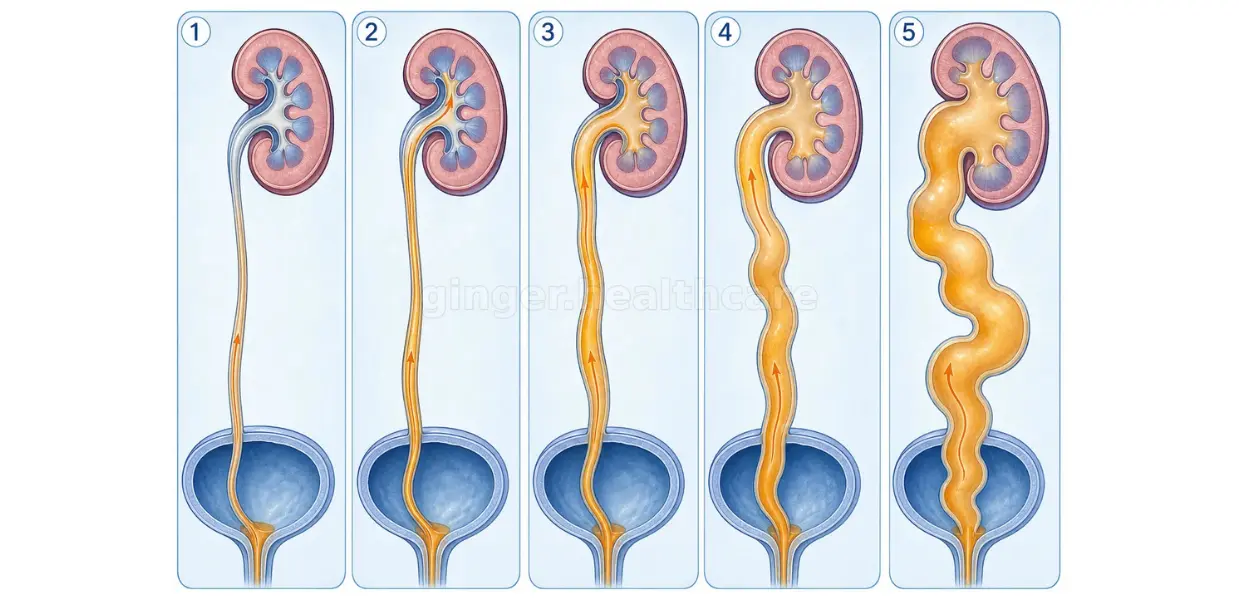
As he grew older, he experienced increasing difficulty passing urine. His urinary system was under significant pressure, and further evaluation after his arrival in India revealed severe urinary retention along with urine flowing backward toward both kidneys, a condition known as vesicoureteral reflux (VUR).
The clinical priority was to establish a safe method for bladder emptying and protect kidney function.
Following detailed evaluation with CT scans and specialised imaging, the paediatric urology team performed a Mitrofanoff procedure.
Today, according to the case information, the child is doing well. His bladder empties effectively, his kidneys have been protected, and he is growing into an active child who can play, learn and enjoy everyday life.
The Child’s Case at a Glance
|
Case Detail |
Information |
|
Patient |
Child |
|
Age |
5 years |
|
Country |
Zimbabwe |
|
Congenital condition |
Genital aphalia |
|
Major urinary problem |
Severe urinary retention |
|
Associated finding |
Vesicoureteral reflux affecting both kidneys |
|
Evaluation |
CT scans and specialised imaging |
|
Treatment |
Mitrofanoff procedure |
|
Primary treatment goal |
Safe bladder emptying and protection of kidney function |
|
Reported current status |
Bladder empties effectively; child is active and growing well |
Understanding Genital Aphalia
Genital aphalia, also known as penile agenesis, is an exceptionally rare congenital condition in which the penis does not develop before birth.
Because the condition is extremely uncommon, affected children can present with complex anatomical and urinary challenges that require individualized assessment.
In this child's case, the major concern described in the available medical story was not only the congenital condition itself, but the increasing difficulty with passing urine.
As the child grew older, urinary emptying became increasingly difficult, creating significant pressure on the urinary system.
This made evaluation and management of his bladder and upper urinary tract particularly important.
A Complex Urinary Problem
When the child arrived in India, the paediatric urology team conducted a detailed evaluation.
The assessment included CT scans and specialised imaging to understand the urinary system and identify the cause and extent of the child's urinary difficulties.
The investigations revealed:
• Severe urinary retention
• Urine flowing backward toward both kidneys
• Bilateral vesicoureteral reflux
Vesicoureteral reflux occurs when urine flows backward from the bladder toward the ureters and kidneys. In some children, significant reflux can be associated with urinary tract complications and may put kidney health at risk.
In this case, the medical team identified the possibility of permanent kidney damage if the underlying urinary problem was not addressed in a timely manner.
Therefore, protecting the child's kidneys became a central objective of treatment.
The Treatment Goal: Safe Bladder Emptying
The immediate treatment objective was not simply to address a symptom.
The surgical team needed to establish a reliable way for the child's bladder to empty safely while helping protect his urinary tract and kidney function.
After evaluation, the team decided to perform a Mitrofanoff procedure.
The Mitrofanoff procedure can be used in selected patients who have difficulty emptying their bladder through the normal urinary passage. It creates a catheterizable channel between the bladder and the skin, allowing the bladder to be emptied using a catheter through a small opening.
For this child, the procedure was performed with the goal of providing a controlled route for bladder emptying.
What Is the Mitrofanoff Procedure?
The Mitrofanoff procedure is a form of urinary reconstruction in which a channel is created between the bladder and the abdominal skin.
In the procedure described in this case, the child's appendix was used to create the channel.
One end of the channel was connected to the bladder, while the other opened through a small opening on the abdomen.
This created an alternative route through which a soft catheter could be passed into the bladder.
The child could therefore empty the bladder through this catheterizable channel rather than relying solely on the normal urinary passage.
The channel was designed to remain continent, meaning urine should not continuously leak through the opening between catheterizations.
Protecting Kidney Function
One of the most important aspects of this case was the potential threat to the child's kidneys.
The investigations showed severe urinary retention and urine refluxing toward both kidneys. Without appropriate management, the urinary pressure and reflux could potentially contribute to kidney damage.
Therefore, the treatment strategy focused on achieving effective bladder emptying and protecting the upper urinary tract.
The Mitrofanoff channel provided a means for the bladder to be emptied regularly using catheterization.
According to the case information, this helped establish effective bladder emptying while protecting kidney function.
Recovery and Life After Treatment
The success of treatment is not measured only by what happens in the operating room.
For a young child, an important goal is to enable them to continue growing, learning and participating in everyday childhood activities.
According to the patient's case story, the child is now thriving.
His bladder empties effectively, his kidneys have been protected, and he is growing into a healthy and active child.
Most importantly, he is able to participate in the ordinary experiences of childhood.
He plays, learns and enjoys life like other children his age.
For his family, this represents a meaningful change from the urinary difficulties that had previously affected his life.
A Journey from Zimbabwe to India
The child's family travelled from Zimbabwe to India seeking specialized medical care for an exceptionally rare and complex condition.
For families facing rare congenital conditions, finding an appropriate specialist can be particularly challenging. The combination of a rare diagnosis, urinary complications and the need for reconstructive surgery may require evaluation by a team with relevant paediatric urology expertise.
India is an international healthcare destination where patients from different countries seek specialist medical care.
MedPal India helps international patients and families connect with healthcare providers in India and assists them throughout their medical treatment journey.
The focus extends beyond connecting a patient with a hospital. International families may also require assistance with medical coordination, communication, appointments and navigating the treatment journey.
Key Clinical Lessons from This Case
This case highlights several important aspects of managing complex paediatric urological conditions.
1. Rare congenital conditions can have significant urinary consequences
Genital aphalia is an exceptionally rare congenital condition. In this child, the associated urinary difficulties became increasingly significant as he grew older.
2. Detailed evaluation is essential
The paediatric urology team used CT scans and specialised imaging to assess the child's urinary system and identify severe urinary retention and bilateral vesicoureteral reflux.
3. Kidney protection can be a critical treatment goal
Because urine was flowing backward toward both kidneys, protecting kidney function became an important consideration in the child's management.
4. Reconstructive procedures can provide an alternative route for bladder emptying
The Mitrofanoff procedure created a catheterizable channel through the abdomen, allowing the bladder to be emptied using a soft catheter.
5. Long-term quality of life matters
For children undergoing complex urinary reconstruction, the objective extends beyond treating an anatomical or functional problem. Enabling the child to participate in normal daily activities and continue growing and developing is also an important part of successful care.
The Outcome
The child's treatment journey demonstrates how careful evaluation and individualized surgical planning can address complex urinary challenges associated with a rare congenital condition.
Following the Mitrofanoff procedure, the child was reported to have:
• Effective bladder emptying
• Protected kidney function
• A continent catheterizable channel
• Continued growth and development
• An active childhood involving play and learning
Today, he is described as a healthy, active 5-year-old child who can enjoy everyday life.
From a Rare Diagnosis to a More Independent Childhood
For this young boy from Zimbabwe, the journey began with an extraordinarily rare congenital condition.
As he grew older, difficulty passing urine created increasing stress on his urinary system. When he reached India, detailed investigations revealed severe urinary retention and bilateral vesicoureteral reflux, raising concern about potential kidney damage.
The paediatric urology team evaluated his condition and developed a treatment strategy focused on safe bladder emptying and kidney protection.
A Mitrofanoff procedure, using the appendix to create a catheterizable channel between the bladder and the skin, provided an alternative route for bladder management.
Today, according to the case information, the child is thriving.
His bladder empties effectively, his kidneys have been protected, and he is growing, playing and learning like any other child his age.
His story is a reminder that even when a child faces an exceptionally rare and complex condition, specialized evaluation and individualized treatment can help create a path toward a more active and fulfilling childhood.
Looking for Paediatric Urology Treatment in India?
If your child has a complex congenital urinary condition or requires specialized paediatric urological evaluation, seeking an opinion from a qualified paediatric urologist is an important step.
MedPal India helps international families connect with healthcare providers in India and supports them throughout their medical treatment journey.
Call / WhatsApp: +91 73033 90829
Website: medpalindia.com
Families can share available medical reports and investigations for review and guidance regarding potential treatment options.
Frequently Asked Questions
What is genital aphalia?
Genital aphalia is an exceptionally rare congenital condition in which the penis fails to develop before birth. Children with this condition may require specialized evaluation because associated urinary and anatomical problems can be complex.
What is a Mitrofanoff procedure?
A Mitrofanoff procedure creates a catheterizable channel between the bladder and the skin. In appropriate patients, this channel allows the bladder to be emptied using a catheter through a small opening on the abdomen.
Why was a Mitrofanoff procedure performed in this case?
In this child, the procedure was performed to create a safe route for bladder emptying and help protect kidney function in the setting of severe urinary retention and bilateral vesicoureteral reflux.
Can children with complex urinary conditions be treated in India?
Children with complex paediatric urological conditions can be evaluated by specialized medical teams in India. The appropriate treatment depends on the child's individual anatomy, urinary function, associated conditions and investigation results.
Does every child with a urinary problem need a Mitrofanoff procedure?
No. A Mitrofanoff procedure is not appropriate for every child with urinary difficulties. Treatment must be individualized following evaluation by a qualified paediatric urology team.
Medical Review & Editorial Transparency
Case source: Patient case information and treatment story supplied by MedPal India.
Content reviewed on: 26 October, 2026
Editorial team: MedPal India
Last updated: 26 October, 2026
Important: This case study is based on the available information about one patient's treatment journey. It should not be interpreted as medical advice or as a guarantee of treatment success. Individual outcomes vary, and treatment decisions should be made by qualified medical professionals after appropriate clinical evaluation.
 (1).webp)