


- 04 Aug 2025
Hirschsprung Disease: Understanding, Diagnosis, and Treatment
Hirschsprung disease is a rare but serious congenital condition that affects the large intestine (colon) and causes problems with passing stool. It is usually diagnosed in newborns or young children and can have life-threatening complications if left untreated. With timely diagnosis and surgical intervention, however, children with Hirschsprung disease can lead healthy lives.
This blog by MedPal India aims to help parents and caregivers understand this condition, its symptoms, causes, and treatment options available in India.
What is Hirschsprung Disease?
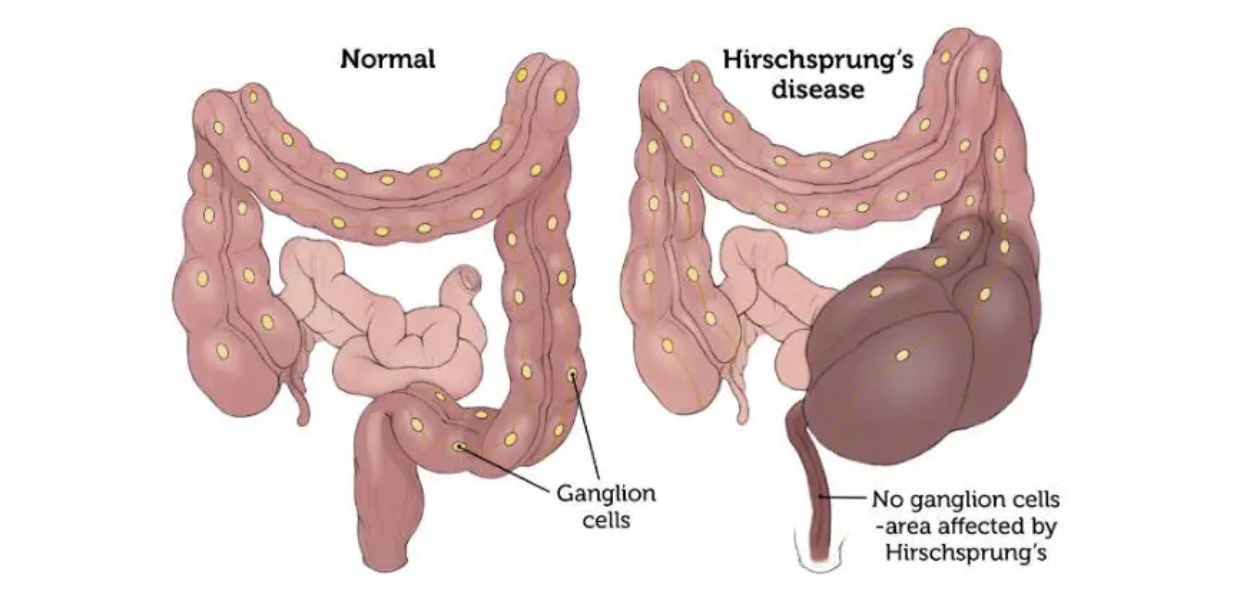
Hirschsprung disease is a condition that occurs when nerve cells (ganglion cells) are missing from a part of a baby’s colon. These nerve cells are necessary for the muscles in the bowel to contract and move stool through the intestine. When a section of the colon lacks these nerve cells, stool becomes stuck, leading to severe constipation or intestinal blockage.
Causes and Risk Factors
Hirschsprung disease is a congenital condition, meaning it is present at birth. The exact cause is not always clear, but the condition is believed to result from genetic mutations that affect nerve cell development during fetal growth.
Risk factors include:
- Family history
- Genetic conditions like Down syndrome
- Male sex
Symptoms of Hirschsprung Disease
The symptoms of Hirschsprung disease vary depending on the age at diagnosis and the severity of the condition.
In newborns:
- Failure to pass meconium within 48 hours
- Vomiting (green or brown)
- Abdominal swelling
- Reluctance to eat
In older infants or children:
- Chronic constipation
- Poor weight gain
- Malnutrition
- Gas and bloating
- Occasional episodes of diarrhea
In severe cases, untreated Hirschsprung disease can lead to a serious infection called enterocolitis, which causes inflammation of the colon and can be life-threatening.
Diagnosis of Hirschsprung Disease
Early diagnosis is critical to avoid complications and ensure effective treatment.
Common diagnostic tests include:
1. Abdominal X-ray or Barium Enema
2. Anorectal Manometry
3. Rectal Biopsy
Treatment Options
The only effective treatment for Hirschsprung disease is surgical removal of the affected portion of the colon.
Surgical Approaches:
- Pull-through Surgery
- Ostomy Surgery (temporary colostomy or ileostomy)
Post-Surgical Care and Long-Term Outlook
After surgery, many children experience improved bowel movements. However, some may still face issues such as:
- Occasional constipation
- Diarrhea
- Bowel control problems
- Recurrent enterocolitis
With good post-operative care, nutrition, and follow-up, most children live active, healthy lives.
Why Choose India for Hirschsprung Disease Treatment?
India is a preferred destination for pediatric surgical treatments, including Hirschsprung disease, due to:
- World-class Pediatric Hospitals
- Skilled Pediatric Surgeons
- Affordable Packages
- Comprehensive International Support
How MedPal India Supports You
At MedPal India, we specialize in helping international patients access top pediatric care in India. For families dealing with Hirschsprung disease, we offer:
- Selection of the best hospitals and doctors
- Medical opinion and treatment planning
- Visa and travel assistance
- On-ground support during the stay
- Follow-up consultations
Conclusion
Hirschsprung disease is a manageable condition with timely diagnosis and proper surgical treatment. If your child is showing symptoms like severe constipation or abdominal swelling, don’t delay seeking medical advice.
India offers world-class pediatric care at affordable rates, and MedPal India is here to guide you every step of the way.
Contact us:
📞 WhatsApp: +91 73033 90829
We’re here to help your child live a healthy, worry-free life.
 (1).webp)
.webp)